




 Automotive

We’ve been tinting windows for over 36 years, and the questions haven’t changed much. Customers want to know if they can tint the car they’re leasing, what it’s going to cost them, and whether they’re about to get pulled over for it.
No sales pitch — just where we land on each one.
Can You Tint a Leased Vehicle?
In most cases, yes. Tint is one of the most common upgrades people make to a leased car or truck, and it’s easy to see why. It cuts glare, blocks UV rays, knocks down interior heat, and makes the cabin more comfortable on a daily basis. It also just makes the vehicle look better.
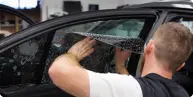
Quality automotive film goes on the inside of the glass. It doesn’t alter the glass itself, and a professional can remove it later if the lease requires that.
That said, every lease is written differently. Before you tint a leased vehicle, check your agreement or call the dealership and ask whether the car needs to go back with factory glass untouched. Some leasing companies don’t mind tint at all. Others want it gone before the vehicle comes back.
If removal is required, get it done by a professional, especially on rear windows with defroster lines or antennas built into the glass. A shortcut removal job can damage those components, and fixing that costs more than the tint did in the first place.
Two or three years is a long time to sit in a hot car because you were worried about a lease clause. A good ceramic film solves the comfort problem without putting the lease at risk, as long as you check the fine print first.
What Does Window Tint Actually Cost?
There’s no single price tag for tint, and anyone who quotes you one over the phone without seeing your vehicle is guessing. Cost depends on the year, make, and model of the vehicle, how many windows you’re covering, whether old tint has to come off first, and whether you’re adding the windshield, sunroof, or a panoramic roof. Installation difficulty and your local market play a role too.
We break film options down using a good, better, best approach, because the differences between film tiers matter more than most people expect, particularly around heat rejection.
Why does ceramic film cost more? Because it does more. Premium ceramic films outperform basic dyed film on heat rejection, UV protection, glare reduction, and clarity, and they hold up better over time without fading or bubbling. On a modern vehicle with a huge windshield or panoramic glass roof, that difference shows up fast on a hot day.
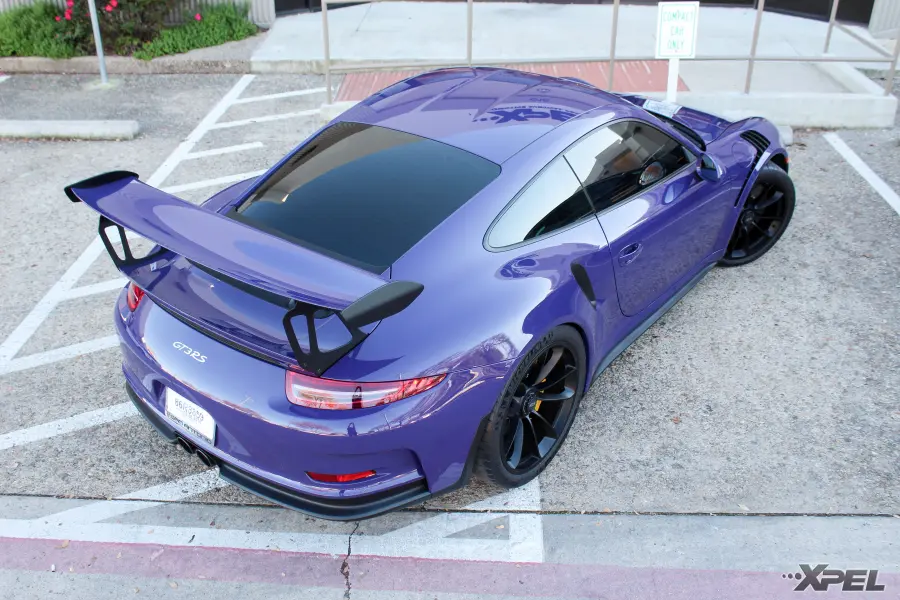
So instead of asking “how much to tint my car,” ask what you’re actually getting for that price. Push on film manufacturer, film technology, the warranty behind it, and the installer’s experience. At Sun Stoppers, we install XPEL automotive film and help you match the product to your vehicle, your driving habits, and your budget, not just the cheapest option on the shelf.
Is Window Tint Legal Where You Live?
Tint law isn’t one nationwide standard. Every state sets its own rules, and those rules can cover front side windows, rear side windows, rear glass, windshield strips, reflectivity, and even medical exemptions differently from the next state over.
The number you’ll hear most is VLT, or Visible Light Transmission. It’s the percentage of light allowed to pass through the glass and film combined. Lower VLT means darker film.
So what percentage should you choose? That depends on your state’s law, your vehicle, and what you’re actually trying to accomplish. Some drivers want maximum privacy and a darker look. Others want the heat and UV protection without going dark at all, and today’s ceramic films make that a real option. You don’t have to choose extreme darkness to get meaningful performance anymore.
Sun Stoppers has locations across multiple states, and our teams stay familiar with the tint requirements in their own markets. Laws change, so always confirm current requirements for your specific state and vehicle before you commit to a shade.
More Than Just Looks
Tint changes the way a vehicle looks, but that’s not the whole reason people get it done. The right film reduces interior heat, blocks UV rays, cuts glare, adds privacy, protects your interior from sun damage, and gives the vehicle a cleaner, finished appearance. Daily commuter, work truck, SUV, sports car, or leased vehicle, it doesn’t matter. The benefits are the same.
We didn’t add tint to a list of services somewhere down the line. It’s the reason Sun Stoppers exists in the first place, and everything else we do got built around that.
Leased, financed, or owned outright, the questions people actually care about come down to the same three: is it allowed, what will it run me, and will it hold up. Check your lease terms, get eyes on your actual vehicle for a real price, and confirm your state’s VLT rules before you commit to a shade.
See what it looks like on your own car at your nearest Sun Stoppers location, browse the XPEL film options we carry, or go ahead and get a quote.
 Back to Latest News