

 Automotive

Ceramic coating gets talked about a lot, and a lot of what gets said isn’t quite right. It isn’t magic, and it isn’t Paint Protection Film. It’s a professional surface-protection service, and understanding what it actually does is the first step to deciding if you need it.
These are the three we hear on repeat.
DIY Ceramic Coating or Professional: Which Should You Choose?
There are hundreds of consumer ceramic products on the shelf at any auto parts store, sprays, wipe-ons, and DIY kits included. So why pay a professional to do what looks like the same job?
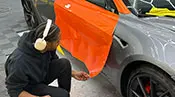
The difference isn’t the bottle. It’s everything that happens before the bottle ever gets opened. A professional installation starts with a thorough hand wash, chemical decontamination, clay-bar treatment when needed, a real paint inspection, and machine polishing or paint correction if the surface calls for it. Only after all of that is the vehicle actually ready for coating.
What surprises most customers is this: ceramic coating doesn’t hide bad paint. It locks in whatever is already there. If your car has swirl marks, water spots, or oxidation, coating over them won’t make them disappear. That’s exactly why preparation matters as much as the product itself.
DIY ceramic products aren’t necessarily a bad choice. If you’re someone who enjoys detailing and knows how to prep paint correctly, a consumer product can offer some real benefit. But professional ceramic coating is built for the owner who wants the vehicle evaluated, corrected where necessary, coated, and cared for by people who do this every day. With a professional install, you’re not just buying a bottle. You’re buying the process behind it.
How Much Does Professional Ceramic Coating Cost?
There’s no universal price, because the cost depends on the vehicle, its current condition, how much prep work it needs, which surfaces get coated, and the coating package you choose.
Vehicle size, paint condition, age, correction needed, coating selected, and whether wheels or other specialty surfaces are included all factor into the final number, along with labor and installer experience. A brand-new car with excellent paint needs a lot less correction than a five-year-old black vehicle covered in swirl marks and water spots, so two similar-sized vehicles can land at very different price points.
Coating cost often runs higher than people expect for a simple reason: the coating itself is only part of the job. A professional installer spends real time washing, decontaminating, inspecting, and correcting paint before the coating ever goes on. Wiping product onto a washed car is not the same service. Instead of asking what ceramic coating costs, ask what’s included. Does the price cover prep, decontamination, polishing, and correction if needed? What coating is being applied, and to which surfaces? What maintenance does it require going forward? Those questions tell you what you’re actually comparing.
Is Ceramic Coating Worth the Money?
For the right owner, yes. It’s especially valuable if you care about how your vehicle looks and want it easier to keep clean.
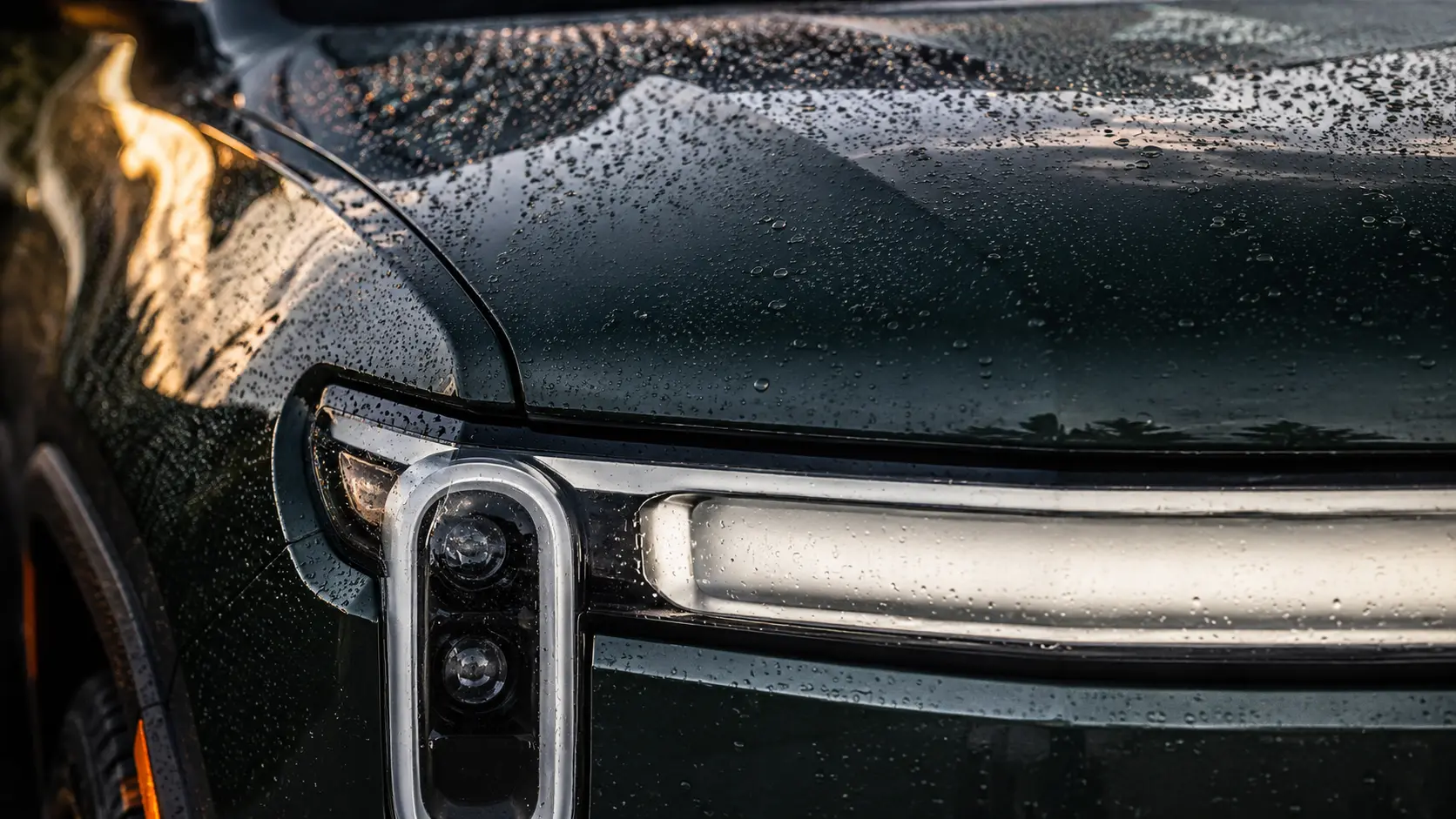
A quality ceramic coating creates a hydrophobic surface that helps water, dirt, and grime release instead of sticking. On top of that it can enhance gloss and depth, cut down on contaminants bonding to the paint, help maintain the vehicle’s appearance over time, and even protect PPF and coated wheels. For owners of trucks, SUVs, and larger vehicles, that ease-of-maintenance benefit is a big deal. Anyone who’s tried to keep a large black truck clean knows exactly how much time that fight can eat up. Coating won’t get you out of washing the car, but it makes every wash faster and easier.
It’s just as important to know what coating doesn’t do. It won’t make your car indestructible, it won’t stop every scratch, and it isn’t built to stop a rock from chipping your paint at highway speed. That’s where PPF and ceramic coating get confused. PPF is the physical barrier, protecting against rock chips, road debris, and impact damage. Ceramic coating handles the surface, giving you gloss, hydrophobic performance, and easier cleaning. They’re not competing products. One of our favorite builds at Sun Stoppers combines both, XPEL Paint Protection Film on the high-impact areas with an XPEL Ceramic Coating over the top. PPF protects the vehicle. Ceramic coating helps you keep it that way.
A brand-new vehicle can be a great candidate for coating, since you’re starting close to a clean slate. New doesn’t always mean perfect, though. Even a car straight from the dealer can arrive with light scratches, swirl marks, or transport contamination, so we evaluate the paint before we coat anything. Almost any vehicle can benefit from ceramic coating, whether it’s a new car, a luxury or exotic build, a truck or SUV, a Tesla or other EV, a daily driver, or a weekend car. You don’t need a six-figure vehicle to care about protecting the one you have. For most people, it’s one of the biggest purchases they’ll make.
The Right Protection for How You Use Your Car
Some vehicles need real paint correction before coating. Others need very little. Some owners want ceramic coating on its own, and others want the full package with PPF, ceramic coating, and window tint working together. We evaluate the vehicle first and build the recommendation around that, not the other way around.
If you want more gloss, easier washing, and a car that holds up over time with less effort, ceramic coating is worth a serious look.
The short version: coating is only as good as the prep work behind it, pricing depends entirely on your vehicle’s condition going in, and it earns its keep paired with PPF rather than standing in for it.
If that sounds like what your car needs, your local Sun Stoppers team can look it over and put together an estimate — or read more about the XPEL Ceramic Coating we install.
 Back to Latest News