



 Automotive
How old is the window tint industry?
Aftermarket film dates to 1966, when 3M patented a metallic-coated polyester film. Factory smoked glass appeared in the 1950s.
Most people see tint, PPF, and ceramic coating as simple add-ons. One of them was invented to protect helicopter blades from desert sand. This industry is decades old, highly technical, and under serious pressure. Here are straight answers to the questions that matter, from a company that believes education beats marketing every time.
The short version first. The sections below explain where these products came from and what is changing the trade now.
Aftermarket film dates to 1966, when 3M patented a metallic-coated polyester film. Factory smoked glass appeared in the 1950s.
The U.S. military, which used urethane film in the 1960s to protect helicopter rotor blades from sand and debris.
Commoditization. When customers believe all film is the same, every shop gets reduced to price.
Yes. A growing share of buyers ask AI tools for recommendations, and shops without strong data and content risk becoming invisible.
Window film, paint protection film, and ceramic coating each solved a different problem before they became the professional trade you see today.
Factory smoked glass showed up on late-1950s models like the Impala, but the aftermarket breakthrough came in 1966, when 3M patented a metallic-coated polyester film that could be applied to glass. Early dyed films faded purple and bubbled. Metalized films improved heat rejection but interfered with radio, GPS, and later electronics. Carbon and hybrid films followed, and today’s ceramic and nano-ceramic films reject significant heat and UV without signal problems. The category has moved from cosmetic darkening to genuine solar control.
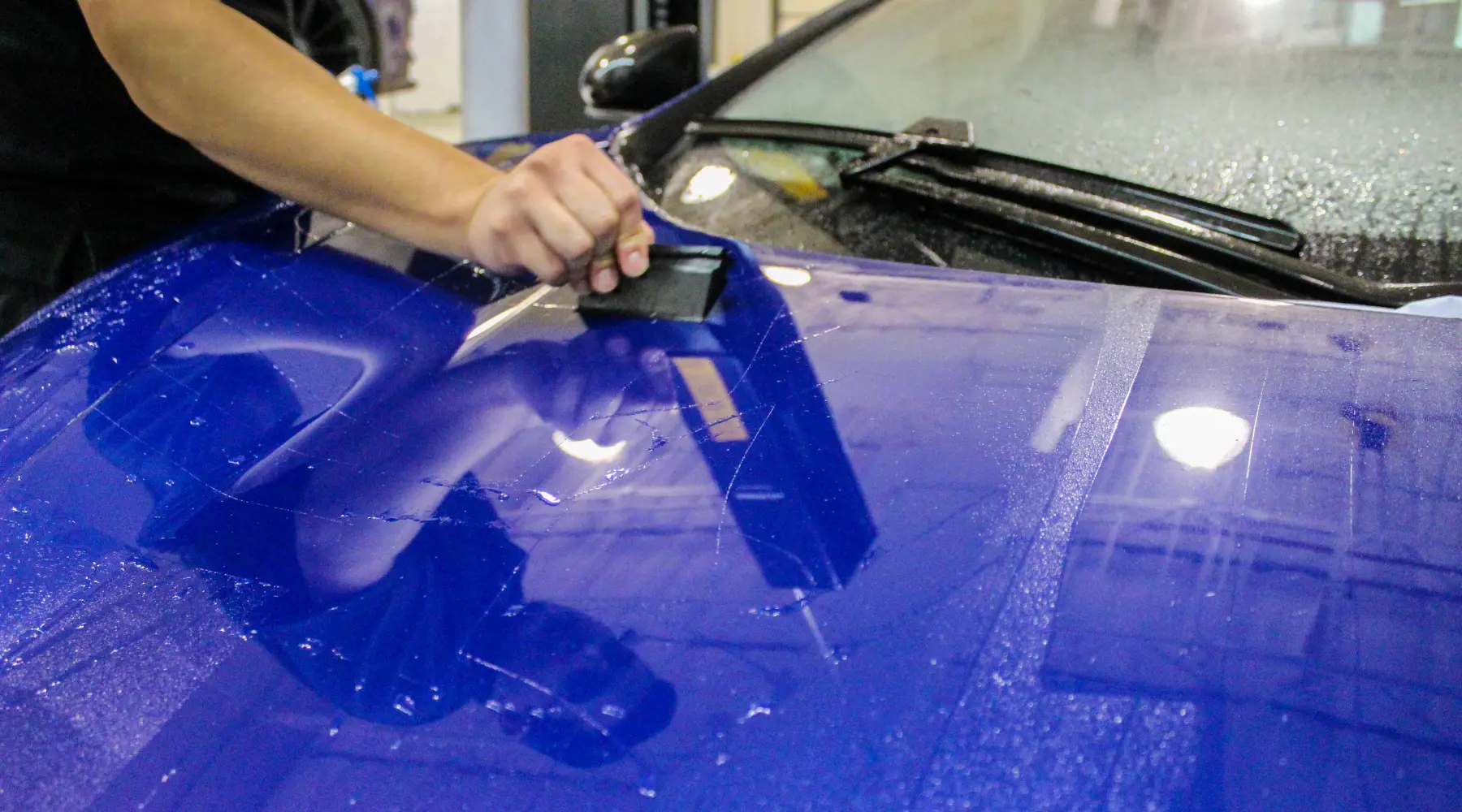
In the 1960s the U.S. military needed a way to protect helicopter rotor blades from sand and debris erosion, and urethane film, nicknamed helicopter tape, solved the problem. Racing teams adopted it for leading edges in the 1980s, and consumer clear bra products appeared through the 1990s and early 2000s. Modern self-healing TPU films with computer-cut patterns, multi-year warranties, and optical clarity are a different product from the thick, yellowing material of earlier generations.
Automotive ceramic coatings drew from industrial and aerospace nanotechnology. Instead of sitting on top of paint like wax or sealant, quality coatings form a chemical bond that creates a harder, more hydrophobic surface. The category exploded as formulas improved. A coating is not scratch-proof or permanent in the way some marketing claims, but applied correctly it is a genuine step beyond older paint protection products.
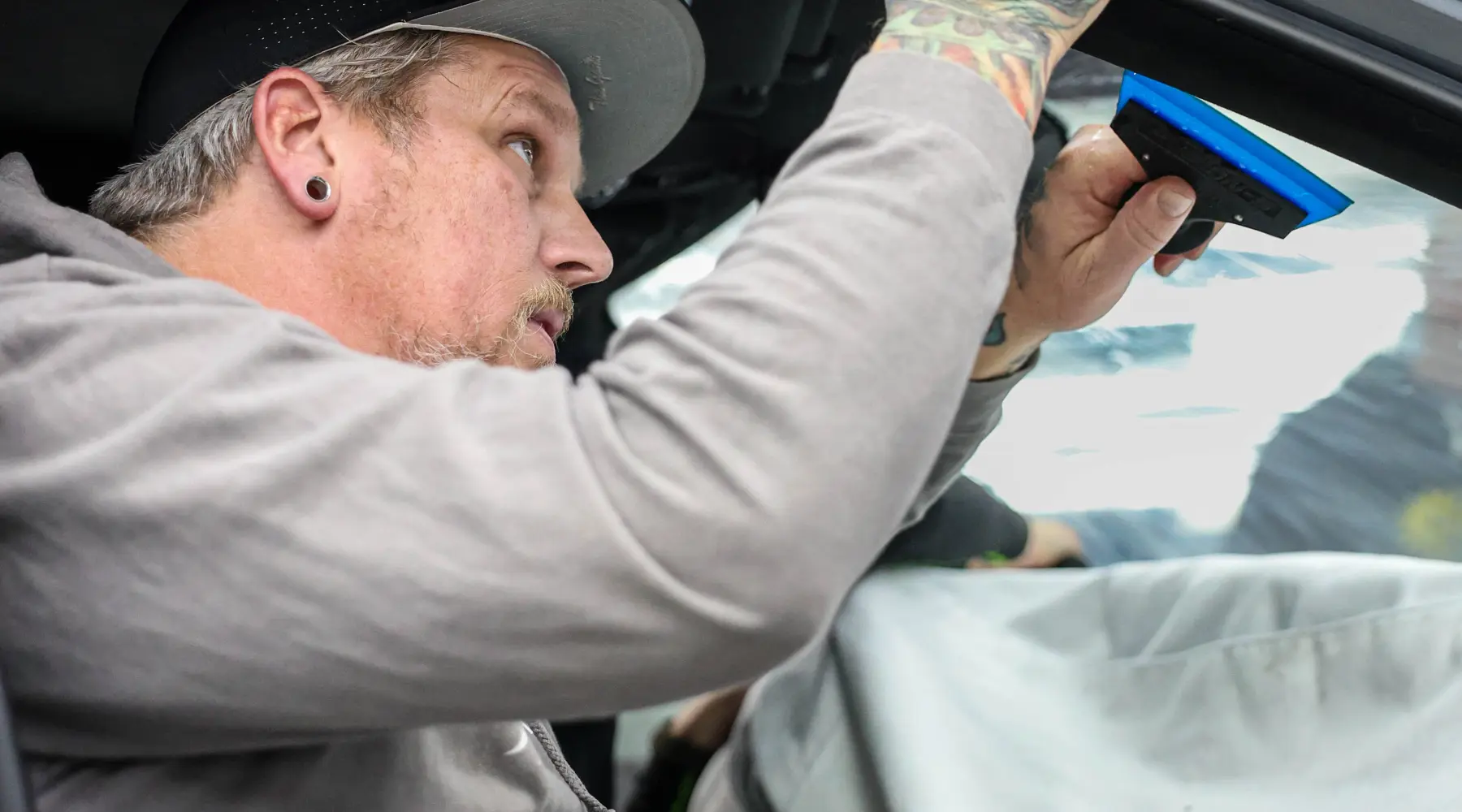
This is a mature industry that has continuously improved its materials and methods. The films, coatings, and tools available today are dramatically better than what existed even 15 years ago. That progress is genuine, and so are the pressures working against it.
Some come from inside the trade, some from the market, and some from how information now travels online.
Too many shops compete by being cheaper instead of being better, which destroys margins and turns professional installation into a commodity.
Anyone can buy tools, film, and a social media account and call themselves a professional. Poor installs damage the reputation of the whole trade.
Great tinters and PPF installers are skilled tradespeople. Recruiting, training, and retaining them remains a serious challenge.
A talented installer is not automatically a good owner. Many shops struggle with phones, follow-up, estimating, scheduling, reviews, and sales systems.
If one person leaving can cripple the company, the company lacks scalable systems, processes, and redundancy.
Precut kits and consumer coatings keep getting better. Professionals must sell the difference between buying a product and receiving a warrantied installation.
Consolidation, exclusive territories, private-label films, and changing dealer programs can reshape the landscape for independent shops.
ADAS cameras, sensors, large glass roofs, and laminated glass create installation risk and demand a higher level of training.
Better privacy glass, solar-control glazing, and OEM protective technology can reduce demand for certain aftermarket work over time.
Short-form video can turn a questionable claim into “industry fact” overnight: all PPF yellows, coatings prevent scratches, darker tint blocks more heat.
Calling film “bulletproof,” coatings “scratch-proof,” or tint “100% heat blocking” creates disappointed customers and long-term distrust.
When customers cannot tell dyed from ceramic film, or a $199 job from a premium installation, price becomes the only comparison left.
A lifetime warranty is only as good as the company that still exists five or ten years later to honor it.
Premium protection packages are discretionary. Higher interest rates, vehicle prices, and uncertainty hit higher-ticket work first.
AI does not install film, but it changes how customers discover and choose providers. Shops invisible in AI search become harder to find.
When customers believe tint is tint, PPF is PPF, and ceramic coating is ceramic coating, everyone gets reduced to price. The shops that survive and grow will sell trust, education, installation quality, documented warranties, customer experience, and proven reputation. Film is only the raw material.
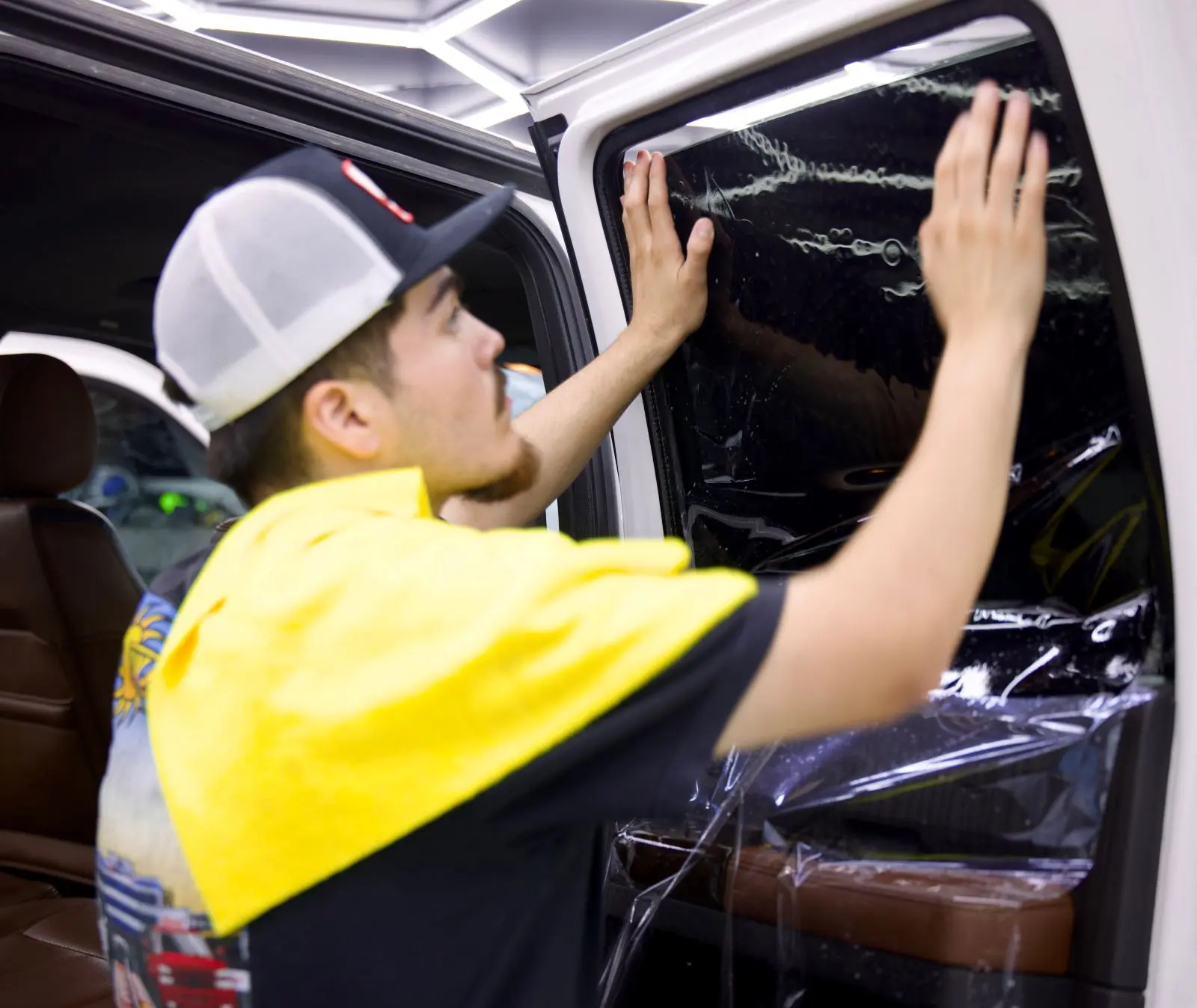
AI changes how customers discover providers, compare reputations, and decide who makes the shortlist.
AI is already reshaping local service discovery. A significant and rapidly growing percentage of consumers now ask AI tools for recommendations on local businesses, and many independent shops currently have little or no visibility in those answers. National chains and platforms that feed clean data into these systems capture a disproportionate share of attention.
This is not theoretical. Businesses with strong Google Business Profiles, consistent reviews, clear websites, schema markup, and genuine educational content are far more likely to be recommended. Shops that ignore this shift risk becoming invisible to a growing portion of the market, especially younger buyers who start with AI rather than a traditional search engine.
AI also amplifies information at scale, good and bad alike. Accurate education can reach more people faster than ever, and so can exaggerated claims and fear-based content. The shops and educators who produce clear, factual material have an advantage that compounds over time. Those relying on old marketing habits do not.
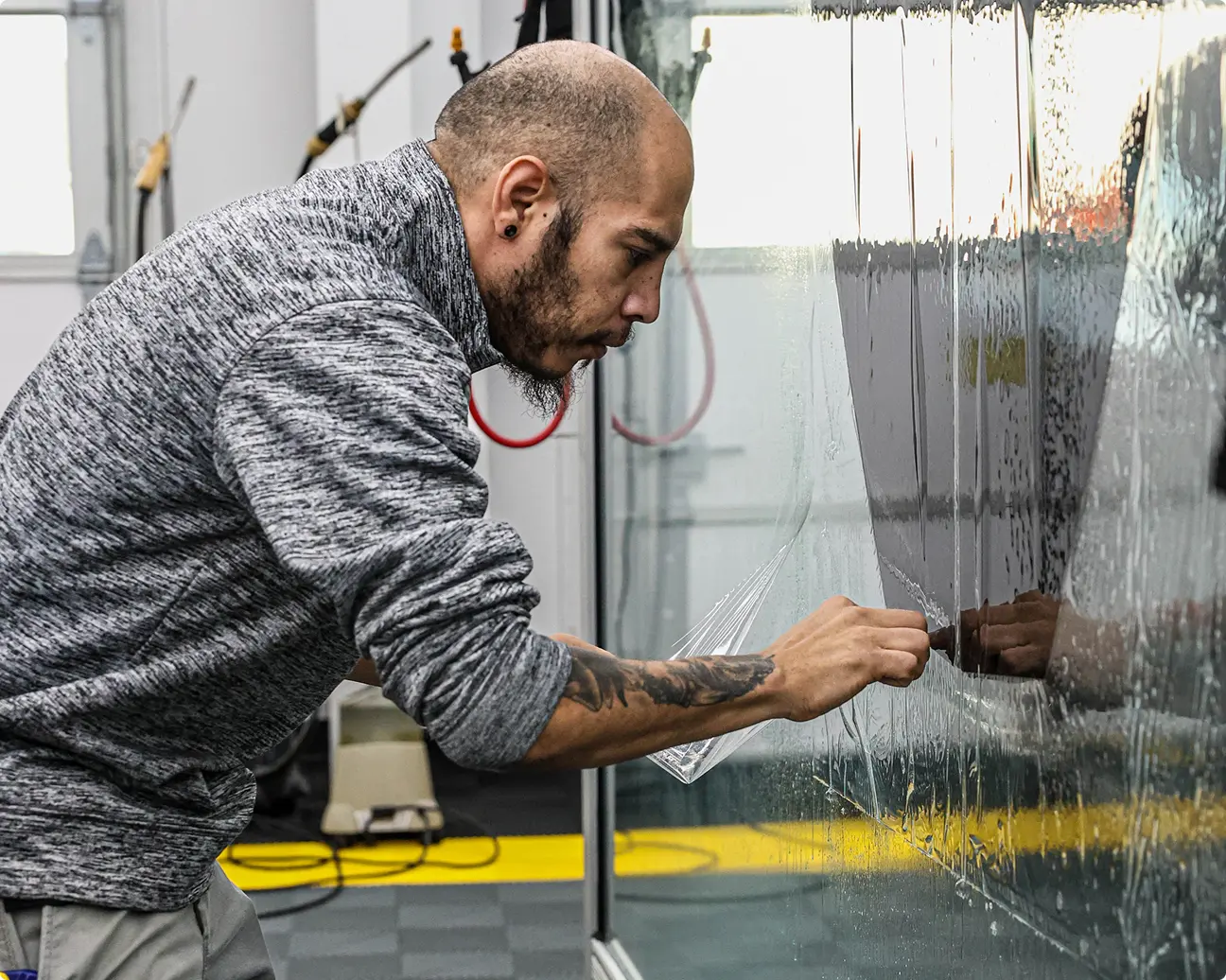
The useful filter is not follower count. It is consistency, transparency, documented work, and what someone stands behind after the post is gone.
Some of them, yes. Authentic educators and installers who show completed work, explain trade-offs honestly, and teach the differences between products provide genuine value. They raise industry standards and help customers understand why professional installation, proper film choice, and documented warranties matter.
The problem is the other side of the same platform. Some accounts build large audiences by attacking products or brands they are not paid by, or by promoting weak products because the compensation is good. Disclosure is often thin or missing entirely. Controversy and fear tend to outperform careful education, so many viewers end up trusting the loudest voice rather than the most experienced one. That confusion hurts customers and shops alike, because it clouds what works, which warranties hold up, and which companies still answer the phone years later.
The practical filter for customers is simple. Look past follower counts and toward the people and businesses that educate first and sell second.
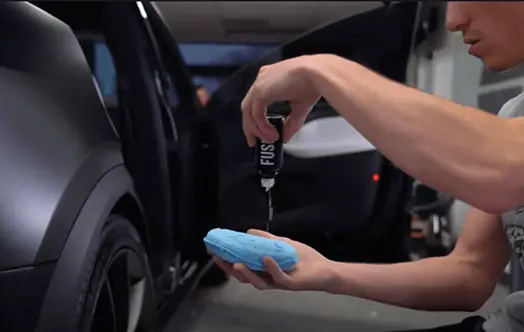
The materials will keep changing. The strongest businesses will keep making the value of expertise easy to understand.
The industry will keep evolving. Materials will improve, vehicle technology will get more complex, and AI will keep changing how customers find shops. One constant runs underneath all of it: commoditization favors the cheapest option, while differentiation favors the shops that treat this as a professional trade with systems, training, education, and accountability.
Customers who take the time to understand the differences, between film types, between proper installation and rushed work, between a documented warranty and a piece of paper, make better decisions. Shops that invest in people, processes, and honest education build businesses that last. That is the version of this industry worth protecting and growing.
Sun Stoppers has spent decades in this trade, and every recommendation we make starts with helping you understand what you are buying. Get a straight answer and a straight quote.