






 Automotive
Ever opened your car door in summer and felt like you stepped into an oven?
Window tint is often marketed as the solution, but does it really keep your car cooler, or is that just another claim? Let’s find out!
Have you ever parked your car for an hour, come back, and instantly regretted it? The steering wheel is scorching, the seats are untouchable, and the AC feels like it is working overtime just to catch up.
That frustration is exactly why so many drivers start researching window tint. The promise sounds simple: Less heat. A cooler cabin. A more comfortable drive. But is that actually the reality?
The short answer is yes, window tinting does help keep your car cooler, but how much it helps depends on the type of film and how it is installed. Not all window tint works the same, and that is where a lot of confusion starts.
Independent testing has shown that advanced automotive window films can block a significant portion of solar heat before it enters the vehicle, reducing interior heat buildup and improving overall comfort. According to the International Window Film Association, window tinting improves more than just how a car looks. A well-applied tint gives the vehicle a cleaner, more uniform appearance, but its real value shows up once you are inside. By cutting glare, increasing privacy, and filtering harmful UV rays, window tint helps create a cabin that feels calmer, cooler, and easier to spend time in.
At Sun Stoppers, we have over 36 years of experience and more than 150,000 installations completed. We install high-performance XPEL automotive window films designed to reduce heat, glare, and UV exposure. If you are considering car window tint and want to know what will truly make a difference, call 704-893-0097 to talk with a consultant.
Sun Stoppers specializes in premium automotive window tint solutions that focus on real-world performance, not shortcuts. With decades of hands-on experience and industry-leading films, our team helps drivers stay cooler, protect their interiors, and enjoy a more comfortable ride every day.
What Drivers Are Really Looking For When They Choose Window Tint
Most people do not care about film names or technical terms. They care about results.
Drivers want:
- A cooler cabin when they get in
- Less heat on their hands and legs
- Faster cooling once the car is started
- Protection for interiors from sun exposure
That is why window tinting continues to grow in popularity. When done correctly, it tackles the real problem, heat buildup through the glass, instead of just covering it up visually.
Why Does Your Car Heat Up So Fast When Parked?
If you have ever wondered why your car feels unbearable after sitting in the sun, you are not alone. The outside temperature is a factor, but even more important is how your car’s glass handles sunlight.
When sunlight hits your vehicle, it passes straight through untreated windows. Once inside, that heat gets trapped. The cabin warms up quickly, surfaces absorb the heat, and airflow has nowhere to carry it away. That is why even short stops can turn into sweat sessions.
This is the problem most drivers are trying to solve when they search for car window tint or window tint for cars. They want relief from heat, not just darker glass.
What Role Do Car Windows Play in Trapping Heat?
Car windows are designed for visibility, not heat control.
Standard automotive glass allows sunlight to enter easily. Once the light passes through, it converts to heat inside the cabin. Seats, dashboards, and steering wheels absorb that heat and slowly release it, even after you start driving.
You get the air conditioning going, but it takes several minutes for the cold air to kick in. Rolling the windows down for a minute barely helps. The heat is already baked into the interior.
Without window tint for cars, your vehicle becomes a greenhouse on wheels.
Why Darker Glass Alone Is Not the Solution
A common assumption is that darker windows automatically mean a cooler car. That is not always true.
Some dark tints change how the car looks but do very little to reduce heat. They block visible light but allow heat to pass through. That is why some tinted cars still feel just as hot inside.
High-quality car window tint focuses on managing heat, not just appearance. When drivers choose window tint for cars without understanding this difference, expectations fall short. Looks matter. Comfort matters more.
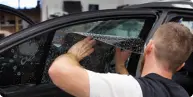
Watch How Professional Window Tint Installation Is Done
Mercedes C63 XPEL Tint Installation
How Car Window Tint Reduces Heat Inside Your Vehicle
Heat inside a car does not build up by accident. It enters through the glass, settles into the interior, and stays there. Car window tint works by interrupting that process at the window before heat spreads through the cabin.
When window tint for cars is applied properly, it changes how sunlight interacts with the glass. Instead of letting heat pour inside, the film manages it at the surface, keeping more heat out of the vehicle.
1. It Limits Heat Before It Reaches the Cabin
Sunlight carries heat energy that passes straight through untreated glass. Once inside the car, that heat is absorbed by seats, dashboards, and panels.
Car window tint helps reduce this transfer at the window. Less heat enters the cabin, which means interior surfaces stay cooler and do not continue releasing warmth long after the car is started.
This is why tinted cars cool down faster once the AC is on.
2. It Reduces Surface Heat on Seats and Dashboards
Anyone who has touched a hot steering wheel understands this problem immediately.
Without car window tint, interior surfaces absorb direct sunlight for hours. Tinting softens that exposure. Seats feel less intense. Dashboards stay cooler. Armrests and door panels are more comfortable to touch. The difference is noticeable the moment you get in.
3. It Helps the AC Work More Efficiently
When less heat enters through the windows, your cooling system has less to fight.
Instead of battling incoming heat, the AC can focus on maintaining a comfortable temperature. Air cools faster, airflow feels more even, and the cabin reaches comfort sooner.
This makes driving more pleasant, especially during stop-and-go traffic or long commutes.
4. It Maintains Comfort While Driving, Not Just When Parked
Heat does not stop entering once the car is moving. Sunlight continues to hit the glass from different angles throughout the drive.
Window tint for cars helps manage heat consistently, whether you are sitting in traffic, cruising on the highway, or parked between errands. That steady control keeps temperatures from swinging as drastically during the day. Comfort stays more predictable.
5. It Works Without Blocking Your View
Heat reduction does not mean sacrificing visibility.
Modern car window tint is designed to manage heat without making the cabin feel dark or closed in. You still see clearly. You still enjoy daylight. You just avoid the harsh heat that normally comes with it.
This balance is what separates functional tint from cosmetic tint.
Ready to Keep Your Car Cooler?
Talk to a Sun Stoppers consultant today and find the right tint for your vehicle.
Which Types of Car Window Tint Are Most Effective for Heat Reduction?
When drivers search for car window tint to stay cooler, they often assume darker glass equals better results. That assumption is where most frustration begins.
Heat control has very little to do with how dark a window looks. It comes down to how the film handles sunlight before it enters the cabin. Some window tints focus on appearance. Others focus on performance. Knowing the difference saves time, money, and second installs.
Here is how the most common window tint for cars compares when heat reduction is the priority.
1. Dyed Window Tint: Basic Shade with Limited Cooling
Dyed window tint is usually chosen for its look. It darkens the glass and adds privacy, which many drivers like.
What it does not do well is manage heat. Dyed films absorb sunlight instead of controlling it. That heat still passes into the vehicle, and interior temperatures continue to rise.
For drivers looking to cool down their cars, dyed tint often feels like a visual upgrade with little comfort payoff.
2. Metalized Window Tint: Noticeable Heat Reduction with Compromises
Metalized car window tint reflects more sunlight than dyed film, which helps reduce heat entering the cabin.
The trade-off comes with modern vehicles. Metal layers can interfere with signals like GPS, Bluetooth, mobile reception, and keyless entry systems. As cars become more technology-driven, this interference becomes harder to ignore.
Metalized tint improves cooling, but it does not always fit today’s vehicles.
3. Carbon Window Tint: A Balanced Step Forward
Carbon window tint sits between appearance-focused and performance-focused films.
It reduces heat more effectively than dyed tint and avoids signal interference issues. Carbon films also hold their color well, which helps maintain a clean, consistent look over time.
For drivers who want better comfort without going all-in on premium options, carbon window tint for cars offers a practical middle ground.
4. Ceramic Window Tint: Built for Heat Control First
Ceramic car window tint is designed with heat reduction as the main goal.
Instead of relying on darkness or metal, ceramic films manage heat using advanced non-metal materials. This allows them to reduce heat buildup while keeping visibility clear, even in lighter shades.
That clarity matters. Drivers get a cooler cabin without feeling boxed in or struggling with night visibility. This is why ceramic window tint is often chosen for daily drivers, long commutes, and vehicles parked in the sun.
Why Windshield Tint Plays a Bigger Role Than Most People Expect
Many drivers focus on side windows and forget the windshield.
The windshield is the largest piece of glass on the vehicle and a major entry point for heat. Clear ceramic windshield tint helps reduce heat without affecting visibility, depending on local laws.
When combined with side and rear window tint for cars, windshield tint helps stabilize interior temperatures more evenly.
Which Window Tint Makes Sense for Everyday Driving?
For drivers who care about comfort, interior protection, and long-term performance, ceramic window tint consistently delivers the best results.
It reduces heat, protects interiors, keeps signals clear, and maintains visibility. That combination makes it one of the most effective car window tint options for heat reduction without compromise.
Choosing the right type from the start means enjoying the benefits every day, not wondering why the car still feels hot.
Common Myths Drivers Believe About Car Window Tint
Window tinting has been around for decades, yet the same misunderstandings keep coming up. Most of them come from old advice, outdated films, or seeing one badly tinted car and assuming that is how all tints work.
Let’s clear up the most common myths drivers still believe about car window tint.
Myth 1: Darker Tint Always Means a Cooler Car
This is the biggest one. A very dark tint can still allow heat to pass through if it is designed mainly for looks. Meanwhile, a lighter window tint for cars built for heat control can keep a cabin noticeably cooler.
Shade affects how much light you see. Heat control depends on how the film manages sunlight. The two are not the same.
Myth 2: Window Tint Is Only About Style
Tint does change how a car looks, but that is not why most drivers end up loving it.
Drivers choose tint because it reduces glare, protects interiors, adds privacy, and improves comfort during daily driving. The visual upgrade is just a bonus, not the main reason.
Myth 3: Window Tint Makes Driving Harder at Night
This belief usually comes from experience with old or poorly installed tint.
Modern car window tint is designed to maintain clarity, especially on side windows. When the right shade is chosen, night visibility remains clear and comfortable.
Problems usually happen when the tint is too dark for the driver or not installed properly.
Myth 4: Factory-Tinted Glass Does the Same Thing
Many vehicles come with factory-tinted rear windows, but that tint is mostly cosmetic.
While factory glass does typically block 95-99% of UV light, its infrared heat rejection is minimal compared to aftermarket ceramic film. The heat in your car will not be lessened through factory-tinted glass.
That is why even brand-new vehicles benefit from professional tinting.
Myth 5: Window Tint Is Only Worth It in Summer
Heat might be the reason most drivers start looking into tint, but the benefits go beyond hot weather.
Tint helps with glare year-round, protects interiors from fading, improves driving comfort, and adds privacy every day. Once installed, it works in the background regardless of season.
So, Is Car Window Tinting Worth It? Here’s the Honest Answer
Yes, car window tinting does help keep your car cooler when it’s done right and with the right film. The biggest difference comes from choosing a tint designed to manage heat, not just change how the glass looks. When heat is controlled at the window, everything inside the car feels easier. The seats cool faster. The steering wheel is bare. The AC does not have to work overtime.
Installing window tint is a lot like applying a screen protector, except the glass is curved, oversized, and unforgiving. After more than 150,000 window tint installations, we have seen exactly what works and what does not.
At Sun Stoppers, every vehicle is handled with care, using high-quality XPEL window films and precise patterns made specifically for your car. With access to over 80,000 vehicle patterns, chances are we already know your vehicle before it rolls into the bay. That consistency is why installations are clean, comfortable, and done right the first time.
It is also why Sun Stoppers has become the largest XPEL window tint dealer in the world, trusted by drivers across the country. With more than 1,900 customer reviews and a 4.8-star average, the results speak for themselves.
Frequently Asked Questions About Car Window Tinting
1. Does Window Tint Affect Visibility While Driving?
When the correct shade is chosen and installed properly, visibility remains clear both during the day and at night. Problems usually come from tint that is too dark or poorly installed.
2. How Long Does Car Window Tint Typically Last?
High-quality automotive window tint is designed to last for many years. Premium films maintain clarity and performance without fading, bubbling, or peeling when cared for properly.
3. Is It Normal to See Bubbles After Installation?
Some light moisture or haze can appear right after installation. This usually clears as the film cures. Persistent bubbles are not normal and should be checked by the installer.
4. What Is the Darkest Legal Tint for Cars?
Tint laws vary by state and by window. Front windows usually have stricter limits than rear windows. Always check your local tint laws before choosing a shade.
Sun Stoppers — 36+ Years of Expert Window Tinting
Over 150,000 installs. The largest XPEL window tint dealer in the world. 4.8 stars across 1,900+ reviews.
 Back to Latest News